
Utilizing Data Metrics to Drive Creative Strategies
In today's digital world, data reigns supreme. From sales figures to social media engagement, companies have access to a vast amount of information that can be utilized to drive their creative strategies. By leveraging data metrics, businesses can gain valuable insights into their target audience, market trends, and the effectiveness of their creative endeavors. This article explores the importance of data metrics in creativity and provides techniques for effectively integrating data into the creative process.
Understanding the Importance of Data Metrics in Creativity
Defining Data Metrics and Creative Strategies
Before delving into the interplay between data metrics and creativity, it's crucial to define these terms. Data metrics refer to the quantifiable measurements used to assess and analyze various aspects of a business, such as website traffic, conversion rates, or customer demographics. On the other hand, creative strategies encompass the innovative approaches and ideas used to develop and execute marketing campaigns, content creation, and product design.

When it comes to data metrics, it's not just about collecting numbers; it's about extracting meaningful insights from them. These insights can help businesses make informed decisions, identify areas for improvement, and track progress towards their goals. Creative strategies, on the other hand, rely on imagination, originality, and outside-the-box thinking to captivate audiences and drive engagement.
The Interplay between Data and Creativity
The intersection of data and creativity is where powerful insights and successful outcomes emerge. Data metrics provide valuable information that can shape and refine creative strategies. They help businesses understand their target audience better, identify emerging market trends, and evaluate the impact of their creative efforts. By leveraging data metrics, companies can make informed decisions and optimize their creative endeavors for maximum effectiveness.
Moreover, data metrics can also fuel creativity by uncovering patterns and correlations that inspire new ideas and approaches. For instance, analyzing customer feedback data may reveal common pain points that can be addressed through innovative product design. By combining the analytical power of data metrics with the innovative potential of creative strategies, businesses can create compelling and impactful experiences for their customers.
The Role of Data Metrics in Decision Making
How Data Metrics Influence Creative Decisions
When it comes to developing creative strategies, intuition and expertise are essential. However, data metrics add an extra layer of objectivity that can enhance decision-making. By analyzing data metrics, businesses can identify patterns, recognize successful strategies, and avoid costly mistakes. Data can highlight audience preferences, inform content creation, and guide design choices, ultimately leading to more impactful and resonant creative outputs.
Moreover, data metrics provide a comprehensive view of consumer behavior and preferences, allowing businesses to anticipate trends and stay ahead of the competition. By leveraging data insights, companies can tailor their creative approaches to meet the evolving needs of their target audience, fostering long-term customer loyalty and brand advocacy.
The Impact of Data-Driven Decisions on Creative Outcomes
Embracing data-driven decisions can have a profound impact on the success of creative strategies. By harnessing data metrics, companies can optimize their content for increased engagement, craft tailored messages that resonate with their target audience, and prioritize efforts that yield the best results. Data-driven creative strategies enable businesses to allocate resources effectively, refine campaigns, and achieve measurable success.
Furthermore, data-driven decision-making empowers businesses to adapt swiftly to changing market dynamics and consumer preferences. By continuously monitoring and analyzing data metrics, organizations can fine-tune their creative initiatives in real-time, ensuring relevance and effectiveness in a rapidly evolving landscape. This agility and responsiveness are key advantages that data-driven strategies offer in today's competitive business environment.
Techniques for Utilizing Data Metrics in Creative Strategies
Identifying Relevant Data Metrics
Not all data metrics are created equal. It's crucial to identify the most relevant metrics for your creative strategies. For instance, e-commerce businesses may focus on conversion rates, bounce rates, and user behavior on their websites. Social media marketers, on the other hand, may pay close attention to engagement metrics like likes, shares, and comments. Understanding which metrics align with your goals and target audience is key to using data effectively.
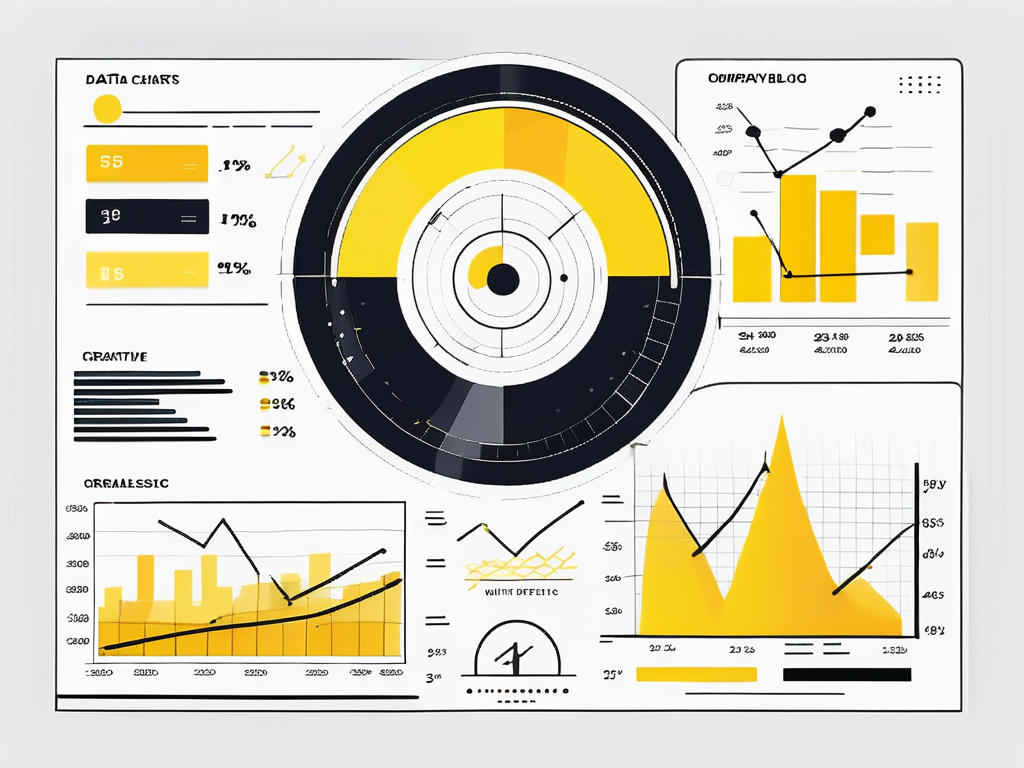
Moreover, when delving into the realm of data metrics, it's important to consider both quantitative and qualitative data. While quantitative data provides numerical insights such as click-through rates and purchase numbers, qualitative data offers a deeper understanding of customer preferences and behaviors through methods like surveys and interviews. By combining both types of data, businesses can gain a comprehensive view of their audience and tailor their creative strategies accordingly.
Applying Data Metrics to Creative Processes
Integrating data metrics into the creative process is a multi-faceted endeavor. It involves utilizing data from various sources such as analytics platforms, customer surveys, and market research reports. Businesses can use these insights to develop audience personas, create content strategies, and test and iterate their creative outputs. It's essential to establish a feedback loop between data analysis and creative decision-making, allowing for continuous optimization and improvement.
Furthermore, the application of data metrics in creative processes extends beyond just content creation. It can also inform design choices, messaging tactics, and even the timing of campaigns. By analyzing data metrics throughout the entire creative lifecycle, organizations can not only enhance the effectiveness of their strategies but also stay agile and responsive to changing market trends and consumer preferences.
Overcoming Challenges in Integrating Data Metrics and Creativity
Addressing Common Misconceptions about Data and Creativity
Integrating data metrics into the creative process is not without its challenges. One common misconception is that data stifles creativity, leading to generic and uninspired outputs. However, data and creativity are not mutually exclusive. Rather, data provides a fertile ground for ideation, validation, and innovation. By dispelling these misconceptions, businesses can embrace data as a valuable tool for enhancing their creative strategies.

Moreover, the integration of data metrics and creativity can lead to more targeted and impactful creative outputs. Data can offer valuable insights into consumer behavior, preferences, and trends, enabling creative teams to tailor their strategies to resonate with their target audience effectively. This targeted approach can result in higher engagement, conversion rates, and overall success for creative campaigns.
Strategies for Effective Integration of Data Metrics and Creativity
To overcome the challenges associated with integrating data metrics and creativity, businesses should adopt strategies that promote a harmonious relationship between the two. This includes fostering a data-driven culture that encourages collaboration between data analysts and creative teams. Establishing clear goals and aligning data metrics with creative objectives is also crucial. Regular analysis and reporting of data metrics ensure that creative strategies remain agile, adaptable, and responsive to market trends.
Furthermore, incorporating data metrics into the creative process can lead to a more iterative and data-informed approach to creativity. By leveraging data insights, creative teams can test and refine their ideas based on real-time feedback, optimizing their strategies for maximum impact. This iterative process not only enhances the quality of creative outputs but also fosters a culture of continuous improvement and innovation within the organization.
Measuring the Success of Data-Driven Creative Strategies
Key Performance Indicators for Data-Driven Creativity
Effectively measuring the success of data-driven creative strategies requires the identification and monitoring of key performance indicators (KPIs). These KPIs can vary depending on the goals of the creative strategy but may include metrics such as increased website traffic, higher conversion rates, improved brand sentiment, or enhanced customer engagement. By tracking these KPIs, businesses can assess the impact of their data-driven creative strategies and make data-backed adjustments as needed.
Evaluating the Effectiveness of Data-Driven Creative Strategies
Evaluation is an integral part of the creative process. To evaluate the effectiveness of data-driven creative strategies, businesses can compare pre- and post-implementation data metrics. They can also conduct A/B testing or gather qualitative feedback from their target audience. Regular evaluation allows businesses to identify areas for improvement, refine their creative strategies, and reap the rewards of data-driven decision-making.
Utilizing data metrics to drive creative strategies is a powerful approach that can enhance the effectiveness and impact of marketing campaigns, content creation, and product development. By understanding the importance of data metrics in creativity, leveraging them in decision-making, adopting effective techniques, overcoming challenges, and measuring success, businesses can unlock the full potential of data-driven creative strategies in a rapidly evolving digital landscape.
One effective technique for measuring the success of data-driven creative strategies is through the use of heatmaps. Heatmaps provide valuable insights into user behavior by visually representing the areas of a webpage that receive the most attention. By analyzing these heatmaps, businesses can determine if their data-driven creative strategies are effectively capturing and retaining user attention. For example, if a heatmap reveals that users are consistently clicking on a particular call-to-action button, it indicates that the creative strategy has successfully guided users towards a desired

